.svg)
.svg)
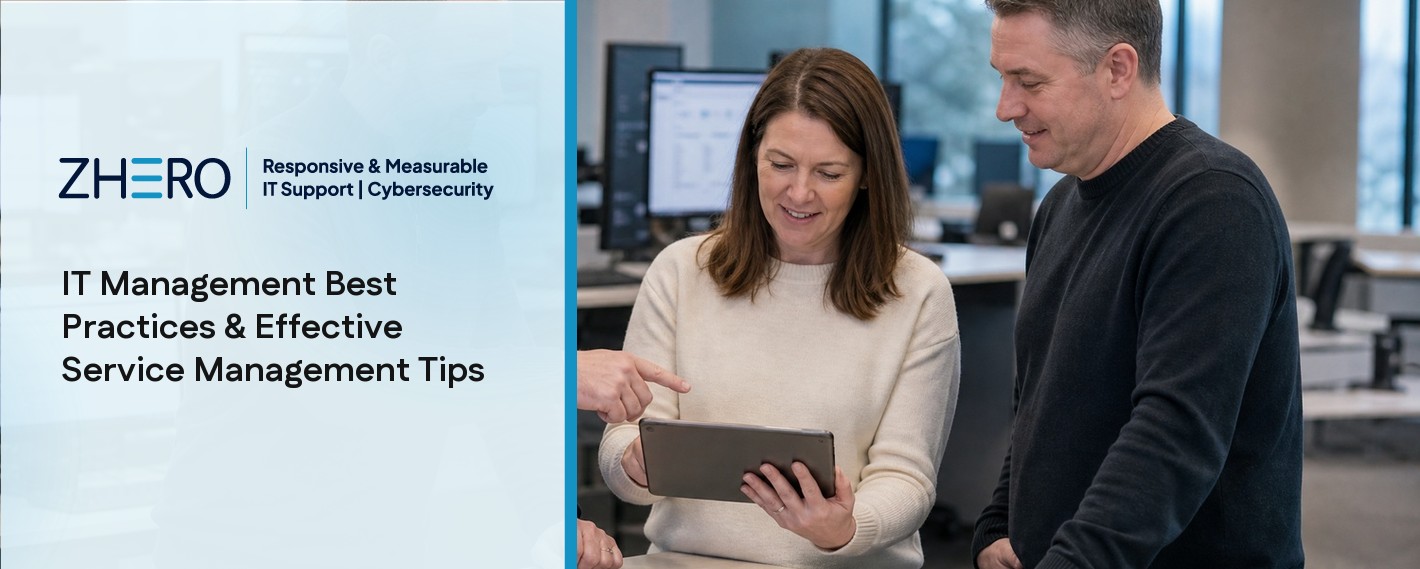

What we keep hearing from businesses is that IT management often gets treated as a background task—until something goes wrong. One thing that surprises a lot of teams is how much smoother daily operations run when IT is managed proactively, not reactively. "Strong IT management is the backbone of reliable business operations." Recent studies have found that companies with clear IT processes experience fewer disruptions and higher staff productivity.
IT management covers everything from keeping your computers running to protecting your data and supporting your team’s work. It’s about making sure your technology matches your business needs, stays secure, and helps you reach your goals. Whether you’re using artificial intelligence for analytics or just want to avoid a costly breach, having a manager who understands project management and service management is essential. Good IT management means you can oversee your information technologies, control your budget, and reduce risk. It’s not just about fixing problems—it’s about planning ahead, using best practices, and making technology work for you.
Understanding IT management: Foundation and essentials
IT management is more than just keeping computers running. It’s a set of processes and decisions that help your business use technology effectively. The goal is to support your business objectives, protect your data, and keep your team productive.
A strong IT management plan helps you evaluate your current systems, plan for future needs, and avoid common pitfalls. It also means staying updated with emerging technologies and making sure your information systems are secure. By focusing on the essentials, you can align your IT with your business strategies and make smarter decisions about automation and analytics.

Common mistakes in IT management and how to avoid them
Even experienced teams can fall into traps with IT management. Here are some of the most frequent mistakes and why they matter.
Mistake #1: Ignoring regular updates
Skipping software and hardware updates leaves your systems open to security risks. Outdated technology can slow down productivity and make it easier for cybercriminals to breach your defences. Make regular updates part of your routine to keep your business safe.
Mistake #2: Not setting clear IT policies
Without clear rules, staff may use technology in ways that put your business at risk. Setting policies for data security, password management, and device use helps everyone know what’s expected and reduces the chance of mistakes.
Mistake #3: Overlooking access management
Many businesses don’t fully understand what access management is or why it’s important. If too many people have access to sensitive data, the risk of accidental or intentional breaches increases. Limit access to only those who need it and review permissions regularly.
Mistake #4: Failing to plan for disasters
If you don’t have a backup and recovery plan, a single incident—like a server crash or a ransomware attack—can stop your business in its tracks. Regularly test your backups and have a clear process for getting systems back online.
Mistake #5: Underestimating training needs
Technology changes quickly, and your team needs to keep up. Offering regular management training ensures staff know how to use new tools, follow best practices, and spot potential threats.
Mistake #6: Not aligning IT with business goals
IT should support your business strategies, not work against them. Make sure your technology choices help you reach your objectives, whether that’s growing your customer base or improving service management.
Mistake #7: Neglecting to evaluate performance
Without regular checks, you won’t know if your IT systems are helping or holding you back. Use analytics and feedback to measure performance and make improvements.
Key benefits of strong IT management
A good IT management approach brings several advantages:
- Improved data security and protection from breaches.
- Higher productivity through reliable systems and automation.
- Better alignment between technology and business objectives.
- Easier adoption of emerging technologies and artificial intelligence.
- Reduced risk and fewer unexpected costs.
- More informed decision-making using analytics and reporting.

The role of service management in IT success
Service management is a core part of IT management. It focuses on delivering technology services that meet your team’s needs and support your business. This includes everything from setting up new devices to resolving technical issues and planning for future growth.
An effective service management process helps you oversee daily operations, respond quickly to problems, and make sure your information technologies are working as it should. It also supports risk management by ensuring that issues are identified and addressed before they become major problems. By using a clear methodology, you can improve customer satisfaction and keep your business running smoothly.
Steps to effective IT management: From planning to performance
A well-structured IT management process can make a big difference. Here are the main steps to follow for success.
Step #1: Assess your current systems
Start by evaluating your existing information systems and identifying any gaps or weaknesses. This helps you understand where improvements are needed and where your budget should be focused.
Step #2: Set clear business objectives
Define what you want your technology to achieve. This could be improving productivity, supporting new business strategies, or reducing the risk of a breach.
Step #3: Choose the right technology
Select tools and systems that fit your needs and budget. Consider automation, analytics, and artificial intelligence to boost efficiency.
Step #4: Develop strong policies
Create clear rules for data security, access management, and device use. Make sure everyone understands and follows these guidelines.
Step #5: Train your team
Offer ongoing management training to keep staff up to date with new technologies and best practices. This helps prevent mistakes and improves overall performance.
Step #6: Monitor and evaluate performance
Use analytics to track how well your IT systems are working. Regularly review your processes and make changes as needed to stay aligned with your business goals.
Step #7: Plan for the future
Stay informed about emerging technologies and update your IT management plan regularly. This helps you stay ahead of risks and take advantage of new opportunities.

Practical considerations for implementing IT management
Putting an IT management plan into action takes careful planning and attention to detail. Start by involving key people from across your business, so you understand everyone’s needs and challenges. Make sure your plan covers all areas, including data security, access management, and disaster recovery.
It’s also important to set a realistic budget and stick to it. Prioritise the most important improvements first, then build on your progress over time. Regularly review your plan, update your policies, and keep an eye on new risks and technologies. By staying proactive, you can avoid surprises and keep your business running smoothly.
Best practices for successful IT management
To get the most from your IT management efforts, follow these best practices:
- Review and update your IT policies regularly.
- Limit access to sensitive data and use strong passwords.
- Invest in ongoing training for your team.
- Use analytics to measure performance and spot issues early.
- Plan for disasters with regular backups and recovery tests.
- Stay informed about new technologies and threats.
Following these steps will help you build a reliable, secure, and efficient IT environment.

How Zhero Limited can help with IT management
Are you one of the 95% of businesses with fewer than nine employees, or part of the 5% that are small but growing? If you’re looking to align your technology with your business goals, we understand the unique challenges you face. Whether you need help with automation, data security, or adopting new information technologies, our team is here to support you.
We know that managing IT can feel overwhelming, especially when you’re focused on growing your business. Zhero Limited offers practical solutions and expert guidance to help you avoid common mistakes and get the most from your technology. Contact us today to see how we can help your business thrive.
Frequently asked questions
What does an IT manager do in a small business?
An IT manager oversees technology projects, manages risk, and ensures your systems support business objectives. They help you use project management tools and keep your information technology running smoothly. By focusing on risk management and aligning IT with your goals, they make sure your technology helps, not hinders, your work.
They also look after your budget, make decisions about new tools, and handle data security. This means you can focus on growing your business while knowing your IT is in safe hands.
How do best practices improve IT management?
Best practices are proven methods that help you avoid common mistakes and improve results. By following them, you can boost productivity, reduce the chance of a breach, and make better use of your information systems.
These practices also help you evaluate your current setup, plan for future needs, and stay up to date with automation and analytics. This keeps your business competitive and secure.
What is access management and why is it important?
Access management controls who can see or use certain data and systems. It’s a key part of data security and helps prevent unauthorised access or accidental loss of information.
By setting clear rules and regularly reviewing permissions, you can protect your business from breaches and keep sensitive information safe. This is especially important when using emerging technologies or artificial intelligence.
How does service management support IT operations?
Service management focuses on delivering reliable technology services to your team. It helps you oversee daily tasks, respond quickly to issues, and keep your systems working well.
A good service management process also supports risk management and ensures your business strategies are supported by the right technology. This leads to better productivity and fewer disruptions.
Why is ongoing management training necessary for IT staff?
Management training keeps your team updated on the latest best practices, security threats, and new technologies. It helps staff spot risks early and use new tools effectively.
Regular training also improves your team’s skills and knowledge, making it easier to adapt to changes and support business growth. This is vital for staying ahead in a fast-changing environment.
What are the essentials of strategic IT management?
Strategic IT management means planning ahead and aligning your technology with long-term business goals. It involves evaluating your current systems, setting clear objectives, and choosing the right tools.
By focusing on management essentials like data security, automation, and analytics, you can build a strong foundation for future success. This approach helps you stay competitive and ready for new opportunities.