.svg)
.svg)


Choosing enterprise-sized IT solutions can actually slow a small business down more than having no formal IT support. Staff often work around rigid systems, which drains the productivity those solutions were meant to protect.
Business IT solutions are designed to keep your company running smoothly, but they don’t always fit every business the same way. When a small team adopts systems built for much larger organisations, the result can be more disruption than support.
The way these solutions are structured often creates extra steps, approvals, or processes that slow down daily work instead of making it easier.
A single, oversized IT platform can force staff to spend more time navigating rules and restrictions than actually getting their jobs done. This often means the very investment meant to protect productivity ends up draining it instead. The effect is subtle at first, but over time, the impact on efficiency and morale becomes clear.
Business IT solutions should match your business needs, not just your ambitions. Picking the right size and type of support is as important as the technology itself. Otherwise, you risk building barriers that your team has to work around every day.

The hidden drag of enterprise IT solutions on small teams
When small businesses in London choose enterprise IT solutions, they often expect to gain stability and security. Instead, they can find themselves tangled in systems that demand more time and effort than their team can spare.
Enterprise systems are built for scale. They assume hundreds or thousands of users, with layers of permissions and controls. For a small team, these features become obstacles. Staff may need to request access for basic tasks, wait for approvals, or follow rigid workflows that don’t match their real work.
This slows everything down. Instead of helping, the technology becomes something to work around. Over time, people start to avoid using the system, or they create their own shortcuts. These workarounds can introduce new risks, such as lost data or missed updates, and can make it even harder to get support when something goes wrong.
The promise of enterprise-level reliability is real, but only when the scale matches the business. For small teams, the overhead can outweigh the benefits.
Why staff workarounds become the norm
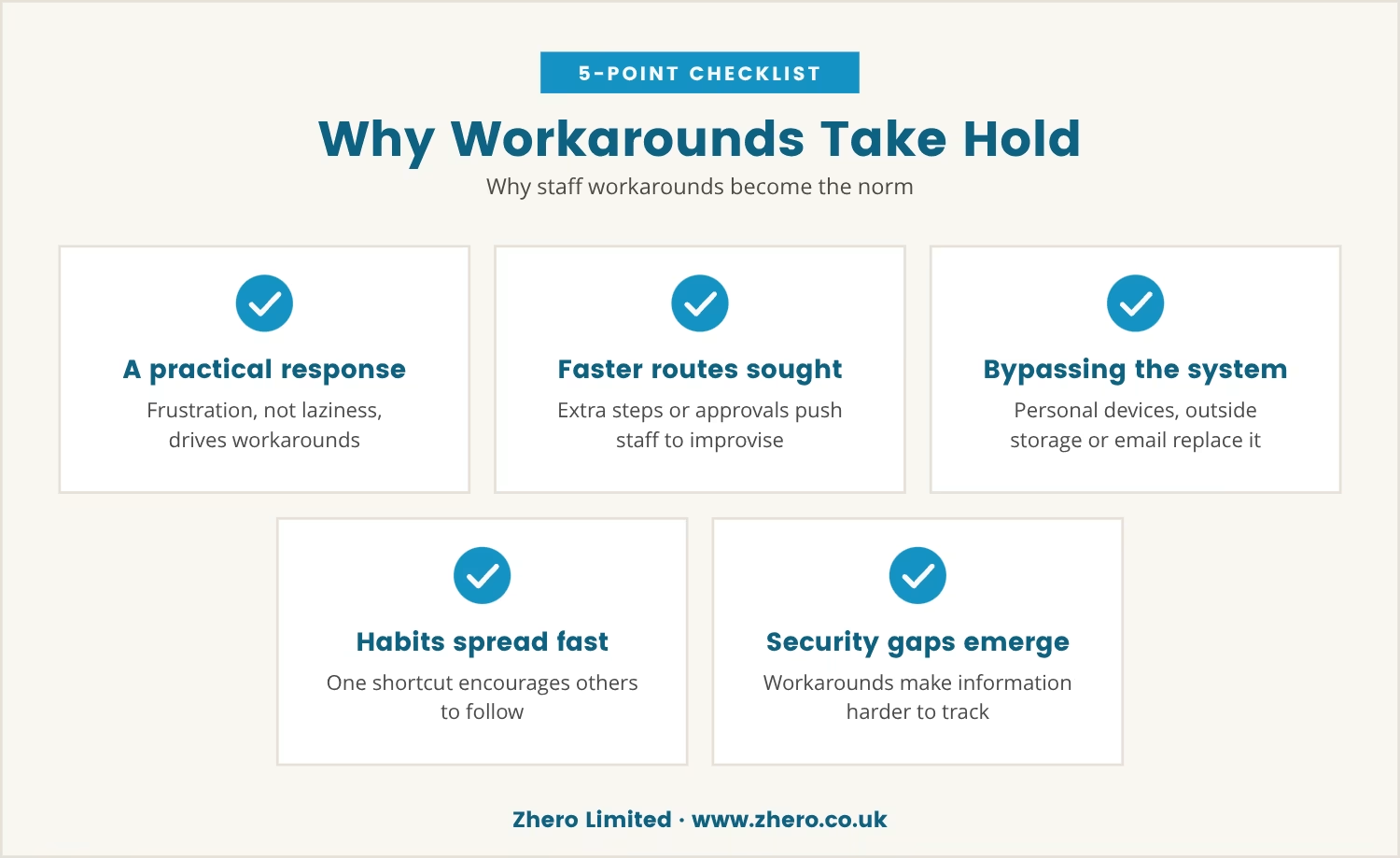
When your IT system is too complex for your needs, staff naturally find ways to bypass it. This isn’t about laziness or resistance to change—it’s a practical response to daily frustration.
If a process takes five steps instead of one, or if a simple request requires a manager’s approval every time, people will look for faster routes. They might use personal devices, store files outside the official system, or rely on email instead of the approved platform. Each workaround is a sign that the system isn’t supporting the way your team actually works.
These habits can spread quickly. Once one person finds a shortcut, others follow. Soon, the official system is ignored, and the investment in IT support services is wasted. Worse, these workarounds can create gaps in security and make it harder to track important information.
How business IT solutions can slow productivity
Choosing business IT solutions that are too large for your team can create more problems than they solve. Here’s how this happens in practice:
- Extra steps for simple tasks: Basic actions like saving a file or requesting help can require multiple approvals or logins.
- Rigid workflows: Systems designed for big companies often force everyone to follow the same process, even when it doesn’t fit your team’s style.
- Delayed support: With managed IT support designed for larger organisations, your requests may be queued or routed through unnecessary layers.
- Training overload: Staff must learn features and rules they’ll never use, which takes time away from their real work.
- Lost flexibility: The system can’t adapt quickly to your changing needs, so you end up working around it instead of with it.
Each of these issues chips away at the productivity you hoped to protect. Over time, the cost is not just in lost time, but in lost trust in the system itself.
The right size matters: Matching IT support to business needs
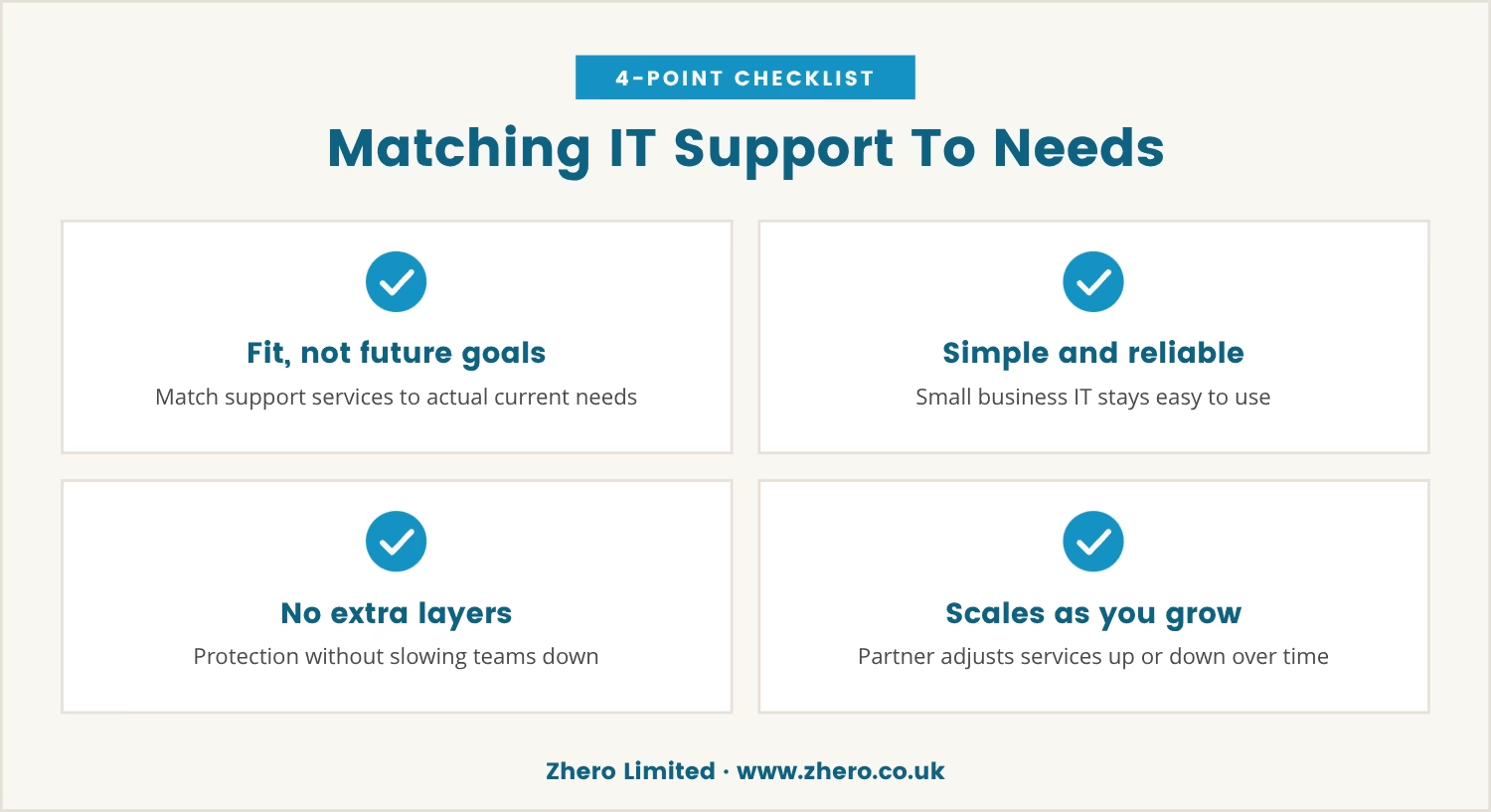
Not every business needs the same level of IT support. What works for a company with 500 employees rarely fits a team of 10. The key is to match your support services to your actual business needs, not just your future goals.
A managed IT service that’s tailored for small businesses will focus on keeping things simple, reliable, and easy to use. You get the protection and support you need, without the extra layers that slow you down. This approach also makes it easier to adapt as your business grows, since your IT partner can scale services up or down as needed.
If you’re unsure whether your current setup fits, ask yourself: Are your staff spending more time managing the system than doing their real work? If the answer is yes, it may be time to rethink your approach.
When proactive solutions become a burden
Proactive IT support is meant to prevent problems before they happen. But when the tools and processes are too complex, they can become a burden instead of a benefit.
For example, automated alerts and regular updates are helpful in theory. In practice, if every minor issue triggers a ticket or requires staff action, people start to ignore the alerts. Important warnings get lost in the noise, and real problems can go unnoticed.
A proactive approach should fit the way your team works. The right solution will catch issues early without overwhelming your staff or creating more work than it saves.
What to look for in support services for small businesses
Not all IT support is created equal. Here are some features to look for when choosing a provider for your small business:
- Simple onboarding: Easy setup and minimal disruption when starting or switching services.
- Clear communication: Support that explains issues in plain language, not technical jargon.
- Flexible plans: Options that grow with your business, without locking you into unnecessary features.
- Fast response times: Help that arrives quickly, without long queues or complex escalation.
- Security basics: Cybersecurity measures that protect your data without making daily work harder.
Choosing the right support means focusing on what your team actually needs, not what looks impressive on paper.
The real cost of the wrong IT fit
When your IT system doesn’t match your business, the costs add up in ways you might not expect. Lost productivity is just the start. Staff frustration grows, and morale drops as people feel blocked by the very tools meant to help them.
Workarounds can also create security risks. Files stored outside official systems are harder to protect, and personal devices may not have proper safeguards. Over time, these gaps can lead to data loss or compliance issues.
For businesses in London and Greater London, where competition is tight and margins are often slim, these hidden costs can make a real difference. The right IT fit is not just about technology—it’s about supporting your team so they can do their best work.

When your IT setup holds your team back
Most businesses in the 5 to 40 users range find that large, complex IT systems can slow them down instead of helping. At Zhero Limited, we understand how frustrating it is when your technology becomes a barrier instead of a support.
We invite you to see how our approach can help you avoid the hidden costs of the wrong IT fit. Let’s talk about what would work best for your team and your goals.
Ready to test a better IT fit?
Try our risk-free IT trial and receive a free full cybersecurity audit, so you can see the difference the right-sized support makes for your business.
Frequently asked questions
How can managed IT support be tailored for a small business?
Managed IT support can be customised by focusing on essential services, such as basic cybersecurity and quick helpdesk response, rather than complex features designed for larger organisations. Providers should offer flexible plans and clear communication, so you only pay for what you need and understand how to use it.
What are the risks of using enterprise IT solutions in a small company?
The main risks include slowed productivity, increased staff frustration, and the temptation for employees to create workarounds that may bypass security controls. Over time, this can lead to data loss, compliance problems, and wasted investment in systems that don’t fit your actual needs.
Why is proactive IT support sometimes overwhelming for small teams?
Proactive solutions can generate frequent alerts, updates, or tasks that are manageable for large IT departments but overwhelming for a small team. If the system is not adjusted for your size, staff may ignore important notifications or feel burdened by unnecessary steps.
How do I know if my business IT support is too complex?
If your staff regularly avoid using official systems, rely on personal devices, or complain about slow processes, your IT support may be too complex. Reviewing how much time is spent on IT tasks versus core business activities can also reveal if the system is a poor fit.
What should I prioritise when choosing IT support services?
Focus on providers who offer clear communication, fast response times, and security basics without overcomplicating daily work. The best support services for small businesses are those that make technology simple, reliable, and easy to use, so your team can stay focused on business goals.